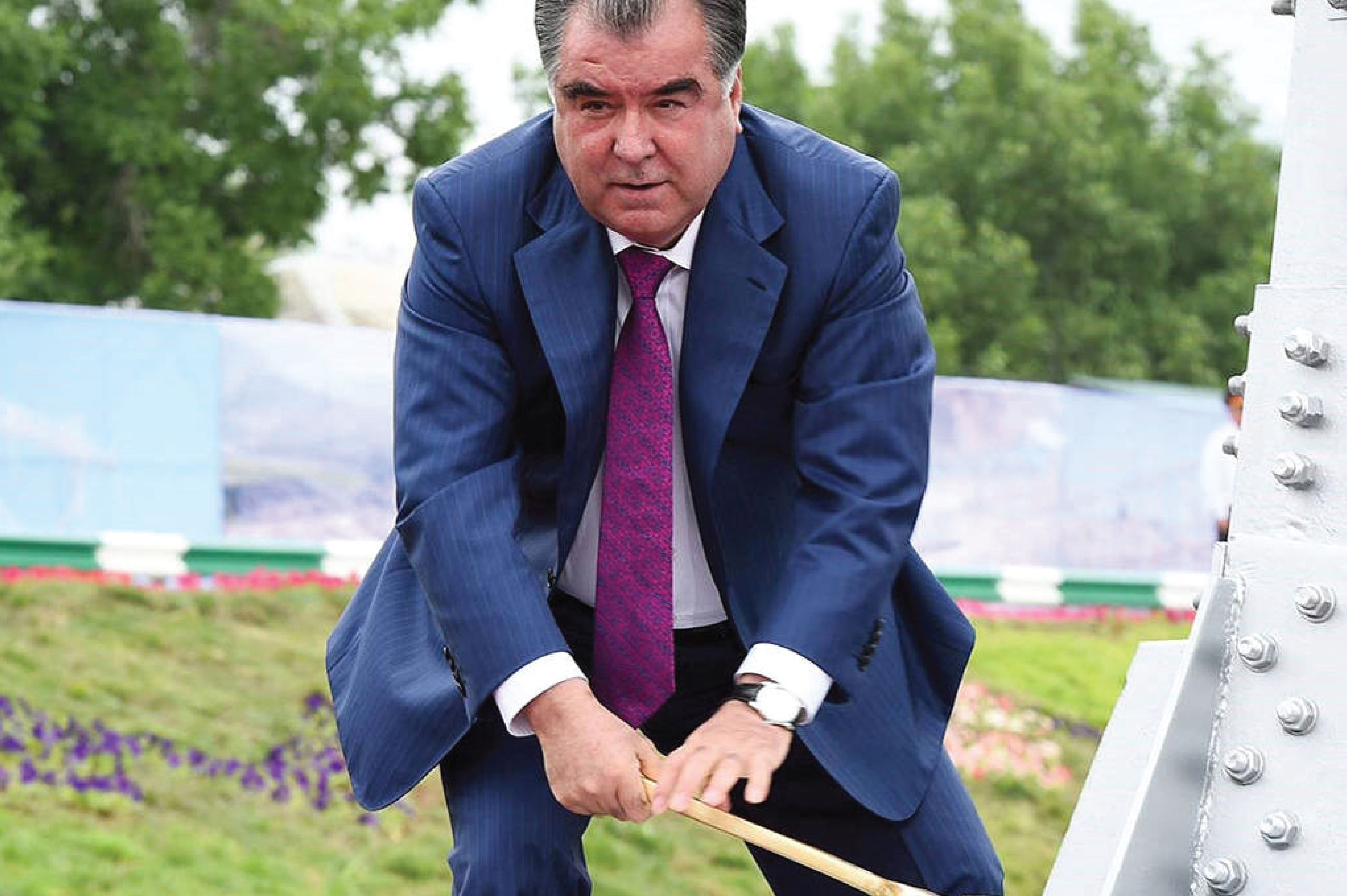

BISHKEK—For a major infrastructure project to succeed, it must be underpinned by sustained political support and sound economics. When political and strategic considerations are allowed to dominate decision-making, and long-term economic assessments suffer as a result, projects can fail before they start. This appears to have been the case with the Central Asia-South Asia Electricity Transmission and Trade Project (CASA-1000).
Funded jointly by the European Bank for Reconstruction and Development, the Islamic Development Bank (IDB), the World Bank, and others, CASA-1000 was introduced in 2006 as a means of transmitting surplus hydropower from Kyrgyzstan and Tajikistan to alleviate energy shortages in Afghanistan and Pakistan. Construction on the 1,387-kilometer (862-mile), 1,300-megawatt energy-transmission infrastructure began a decade later.
While CASA-1000 was presented as an energy-trade project, it served a wider strategic objective. Beyond fostering inter-regional cooperation between Central Asia and South Asia, it became a pillar of the United States’ short-lived “New Silk Road” strategy, announced by then-Secretary of State Hillary Clinton in 2011. By strengthening North-South economic integration and reducing Central Asian countries’ dependence on Russian electricity connections, the project was supposed to shift the region’s geopolitical orientation.